10 Classic Amish Recipes Every Home Cook Should Know
The short answer
The most classic Amish recipes are hearty, thrifty farm dishes: chicken and noodles, mashed potatoes with brown butter, Amish dressing (bread filling), chow-chow, pickled red beet eggs, baked oatmeal, whoopie pies, shoofly pie, apple butter and homemade white bread. Most use simple pantry ingredients, feed a crowd and taste even better the next day. Full recipes for all ten are below.
On this page
- Where Amish cooking comes from
- 1. Chicken and noodles
- 2. Mashed potatoes with brown butter
- 3. Amish dressing (bread filling)
- 4. Chow-chow
- 5. Pickled red beet eggs
- 6. Baked oatmeal
- 7. Whoopie pies
- 8. Shoofly pie
- 9. Apple butter
- 10. Homemade bread
- How the ten dishes fit into an Amish day
- Make-ahead and storage guide
- What makes Amish cooking taste different?
- Pantry basics for Amish-style cooking
- Common questions
- Keep reading
- Sources
People often expect Amish cooking to be complicated or secret. It’s neither. It’s the food of busy families who milk cows before breakfast, feed a dozen people at noon and still find room for pie. The recipes are plain, but the way they’re cooked, slowly and generously, is what makes them good.
Below are ten dishes you will meet again and again at Amish tables, church meals, weddings and benefit auctions. Each one has a full recipe you can make in an ordinary kitchen, plus tips, make-ahead notes and the story of where it comes from. If you learn these ten, you can put a meal on the table that would feel at home in any Amish kitchen.
Where Amish cooking comes from
Amish cooking grew out of the farm kitchens of the German and Swiss immigrants who settled in Pennsylvania in the 1700s, the people now called the Pennsylvania Dutch. (“Dutch” here comes from Deitsch, meaning German, not from Holland.) Their cooking was shaped by three things:
- The farm. Families ate what they raised: chickens, pork, milk, eggs, potatoes, cabbage, apples and wheat.
- The seasons. Summer’s garden had to last through winter, so canning, pickling and drying became central skills.
- Thrift. Nothing was wasted. Stale bread became filling, apple peels became jelly, and the last of the garden became relish.
Today many Amish families no longer farm full time, and you’ll find store-bought cereal and boxed cake mix in plenty of Amish pantries. But the classic dishes below are still cooked for Sunday dinners, weddings and church meals, and they’re still taught mother to daughter.
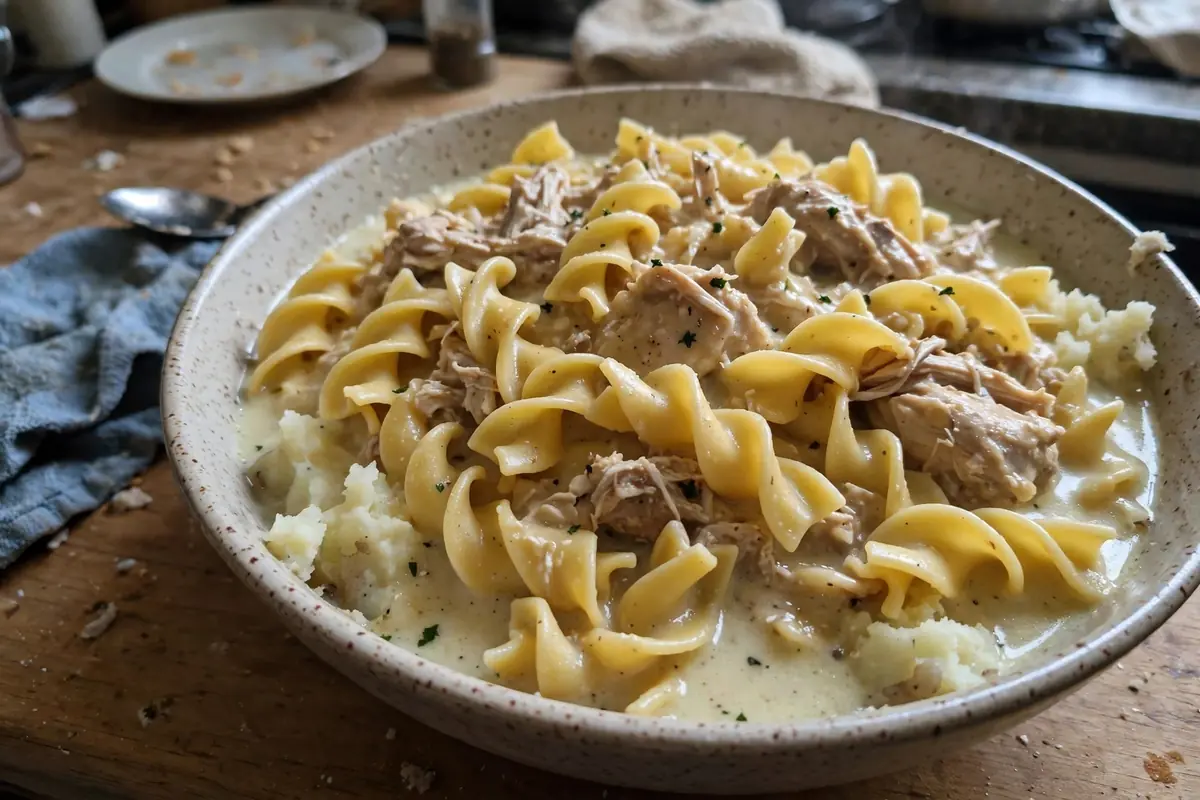
1. Chicken and noodles
Thick, homemade egg noodles cooked in rich chicken broth until the broth turns almost creamy. Many families serve it over mashed potatoes, which surprises visitors. Starch on starch? Yes, and nobody complains.
Ingredients (serves 8)
- 1 whole chicken, 3½ to 4 pounds
- 1 onion, quartered
- 2 celery ribs with leaves
- 12 cups water
- 2 teaspoons salt, plus more to taste
- ½ teaspoon black pepper
For the noodles:
- 2 cups all-purpose flour
- 3 large eggs
- ½ teaspoon salt
- 2 to 3 tablespoons water, as needed
Method
- Put the chicken, onion, celery, water and salt in a large pot. Bring to a boil, then lower the heat and simmer gently for about 2 hours.
- While the chicken cooks, make the noodles. Mix flour and salt, make a well, add the eggs and stir into a stiff dough, adding water a spoonful at a time. Knead 5 minutes.
- Roll the dough very thin on a floured counter. Let it dry 30 to 60 minutes, then roll it up loosely and cut into ¼-inch strips. Shake them apart and let them dry while the chicken finishes.
- Lift out the chicken. Strain the broth and return it to the pot. Pull the meat from the bones in bite-size pieces.
- Bring the broth to a boil, drop in the noodles and cook 15 to 20 minutes, stirring now and then, until tender and the broth has thickened.
- Stir the chicken back in, season with salt and pepper and serve over mashed potatoes or on its own.
Tip: Dried homemade noodles keep for weeks in a sealed container. Many Amish cooks make a big batch and dry them on clean cloths across the table.
2. Mashed potatoes with brown butter
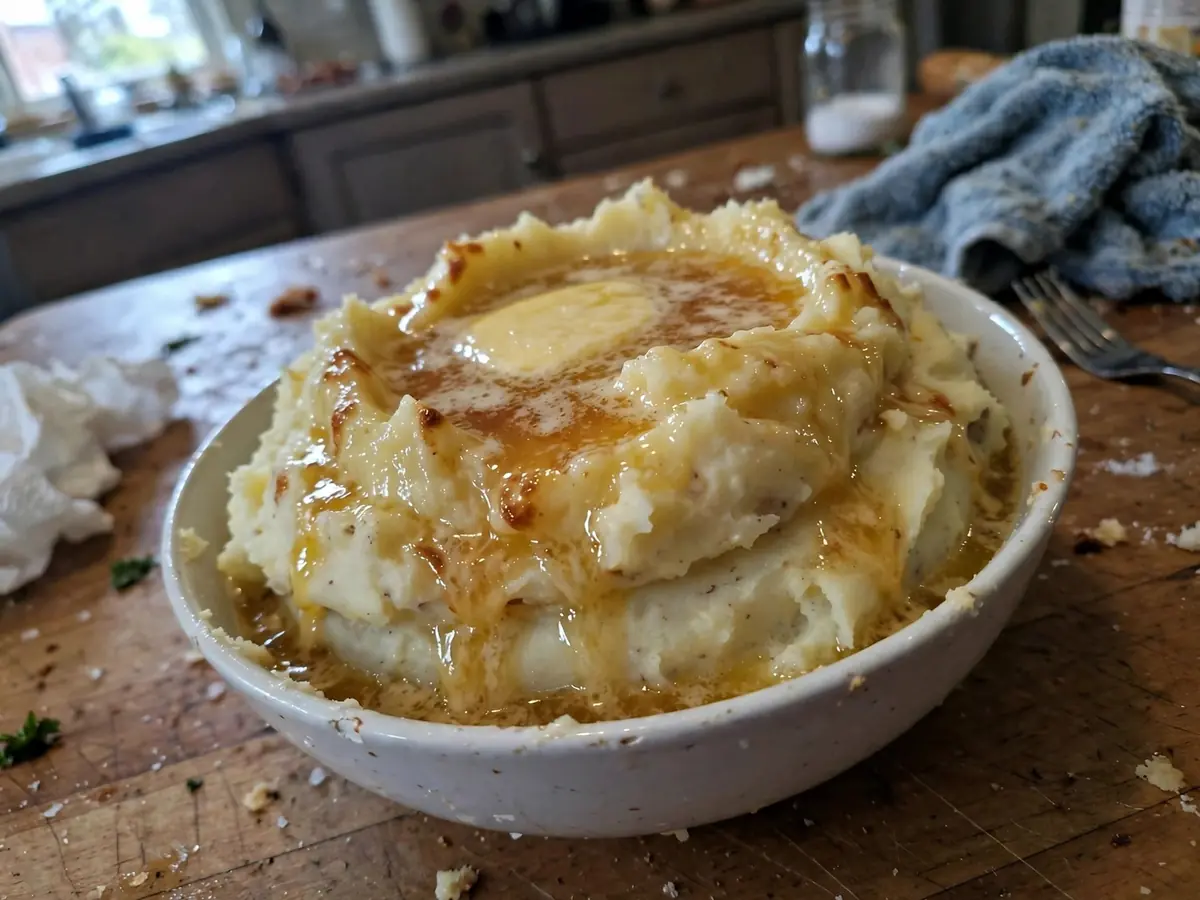
Butter is browned in a skillet until it smells nutty, then poured over a big bowl of mashed potatoes. It’s a small step that turns an everyday side into something people remember.
Ingredients (serves 8)
- 4 pounds russet or Yukon Gold potatoes, peeled and cut in chunks
- 1 cup warm milk
- 4 tablespoons butter for mashing
- 6 tablespoons butter for browning
- 1½ teaspoons salt
Method
- Boil the potatoes in salted water until very tender, about 20 minutes. Drain well.
- Mash with the warm milk, 4 tablespoons butter and salt until smooth.
- Melt the remaining butter in a light-colored skillet over medium heat. Swirl it as it foams. After 4 to 6 minutes it turns golden-brown with brown specks and smells like toasted nuts. Take it off the heat right away.
- Make a well in the potatoes and pour the brown butter over just before serving.
Tip: Use a light-colored pan so you can see the butter change color. It goes from brown to burnt in less than a minute.
3. Amish dressing (bread filling)
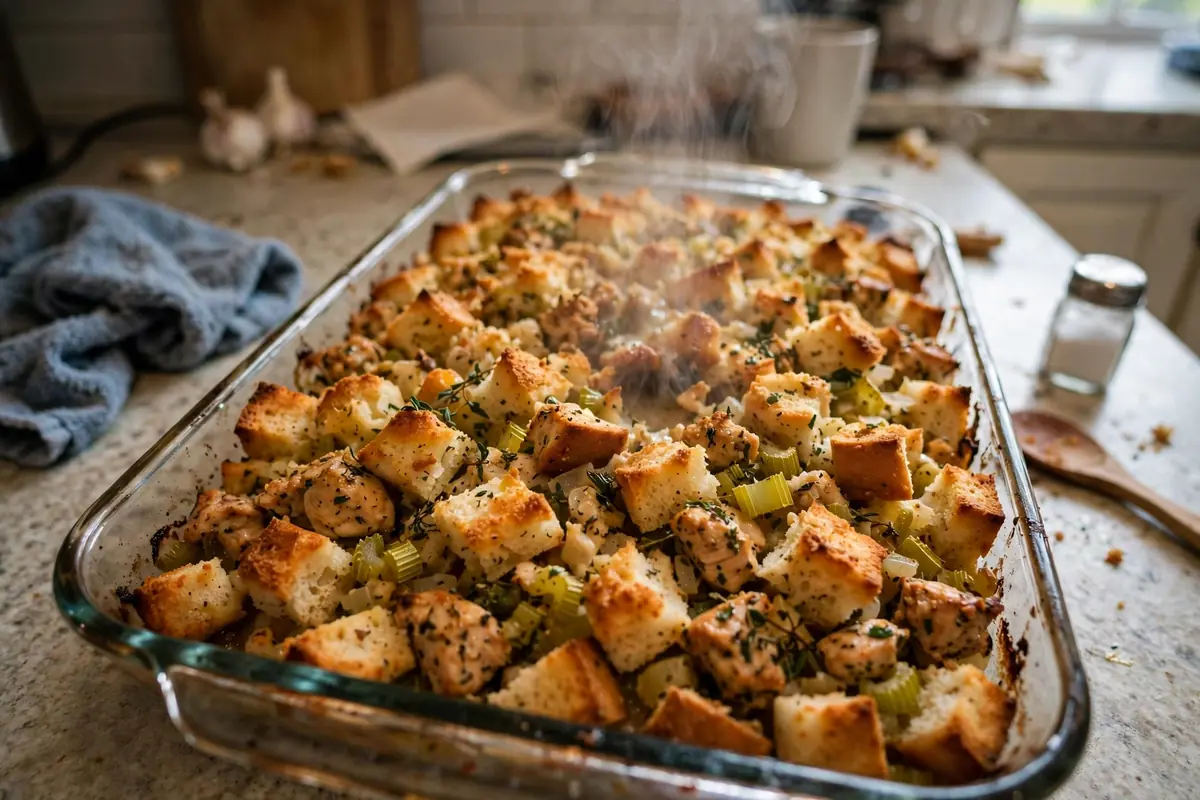
Cubes of bread, chicken, celery, eggs and broth, baked until crisp on top and soft underneath. In Lancaster County, a version mixed with chicken and browned in butter is called roasht, and it’s the centerpiece of a traditional wedding dinner.
Ingredients (serves 10)
- 1 pound loaf of white bread, cut in cubes and left out overnight to dry
- ½ cup butter
- 1 cup chopped celery
- 1 medium onion, chopped
- 2 cups cooked chicken, chopped
- 3 large eggs
- 2 to 2½ cups chicken broth
- 2 tablespoons chopped fresh parsley
- 1 teaspoon salt
- ½ teaspoon black pepper
Method
- Heat the oven to 350°F and butter a 9×13-inch pan.
- Melt the butter in a skillet and cook the celery and onion until soft, about 8 minutes.
- In a large bowl, combine the bread cubes, chicken, celery and onion with their butter, parsley, salt and pepper.
- Whisk the eggs into 2 cups of broth and pour over the bread. Toss until evenly moist, adding more broth if it seems dry.
- Spread in the pan and bake 45 minutes, until the top is golden and crisp.
Wedding-style variation: Instead of baking, brown the filling in batches in plenty of butter in a large skillet, turning it until crusty in spots.
4. Chow-chow
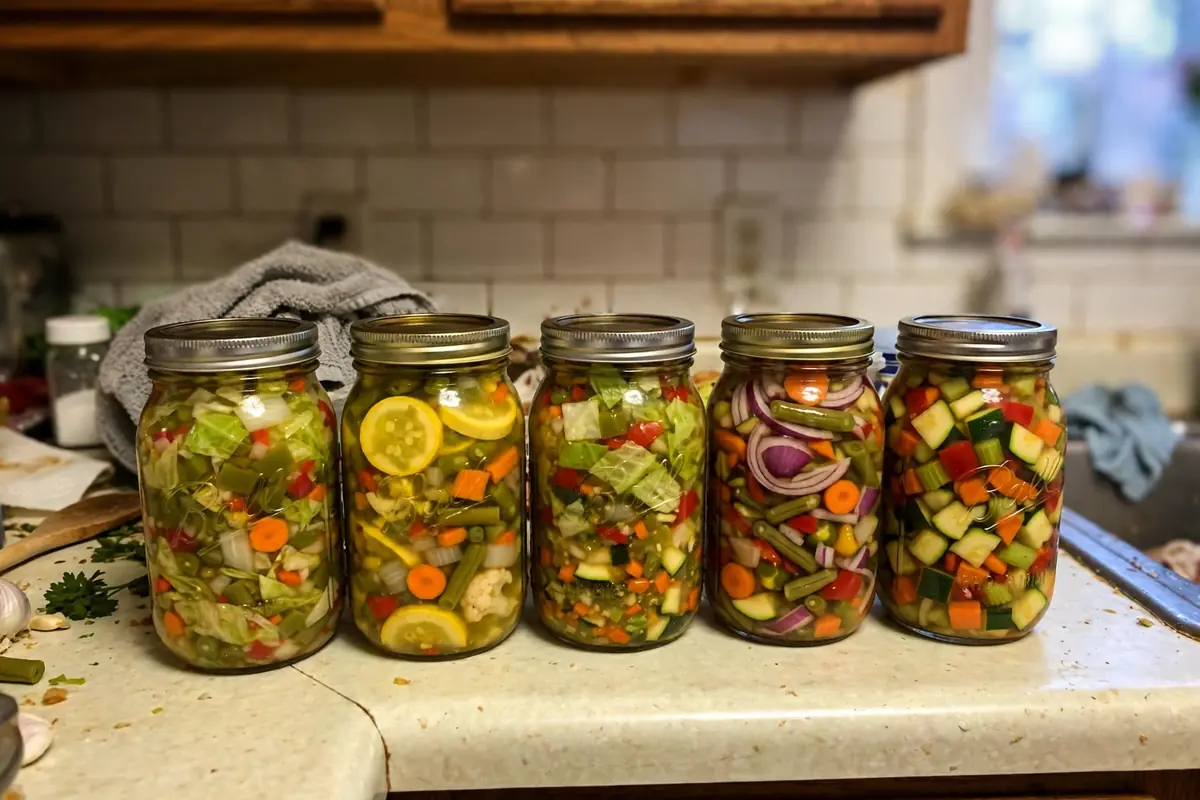
A sweet and sour relish of mixed garden vegetables: beans, corn, cauliflower, peppers, carrots and onions. It’s made in late summer when the garden overflows and served all winter beside meat and potatoes.
Ingredients (makes about 3 quarts)
- 2 cups green beans, cut in 1-inch pieces
- 2 cups yellow wax beans, cut in 1-inch pieces
- 2 cups corn kernels
- 2 cups small cauliflower florets
- 2 cups diced carrots
- 1 cup diced sweet red pepper
- 1 cup diced onion
- 1 can (15 ounces) kidney beans, drained and rinsed
For the syrup:
- 3 cups cider vinegar (5% acidity)
- 2 cups sugar
- 1 cup water
- 1 tablespoon mustard seed
- 2 teaspoons celery seed
- 1 teaspoon turmeric
- 2 teaspoons salt
Method
- Cook each fresh vegetable separately in boiling salted water until just crisp-tender, 2 to 5 minutes depending on the vegetable. Drain and cool.
- Combine all vegetables, including the kidney beans, in a large bowl.
- Bring the syrup ingredients to a boil and stir until the sugar dissolves.
- Pour the hot syrup over the vegetables, cool, then pack into clean jars.
- Refrigerate at least 24 hours before eating. Keep refrigerated and use within 2 weeks.
For canning: This is a refrigerator recipe. If you want shelf-stable jars, follow a tested canning recipe, such as those from the National Center for Home Food Preservation, so the acidity and processing time are safe.
5. Pickled red beet eggs
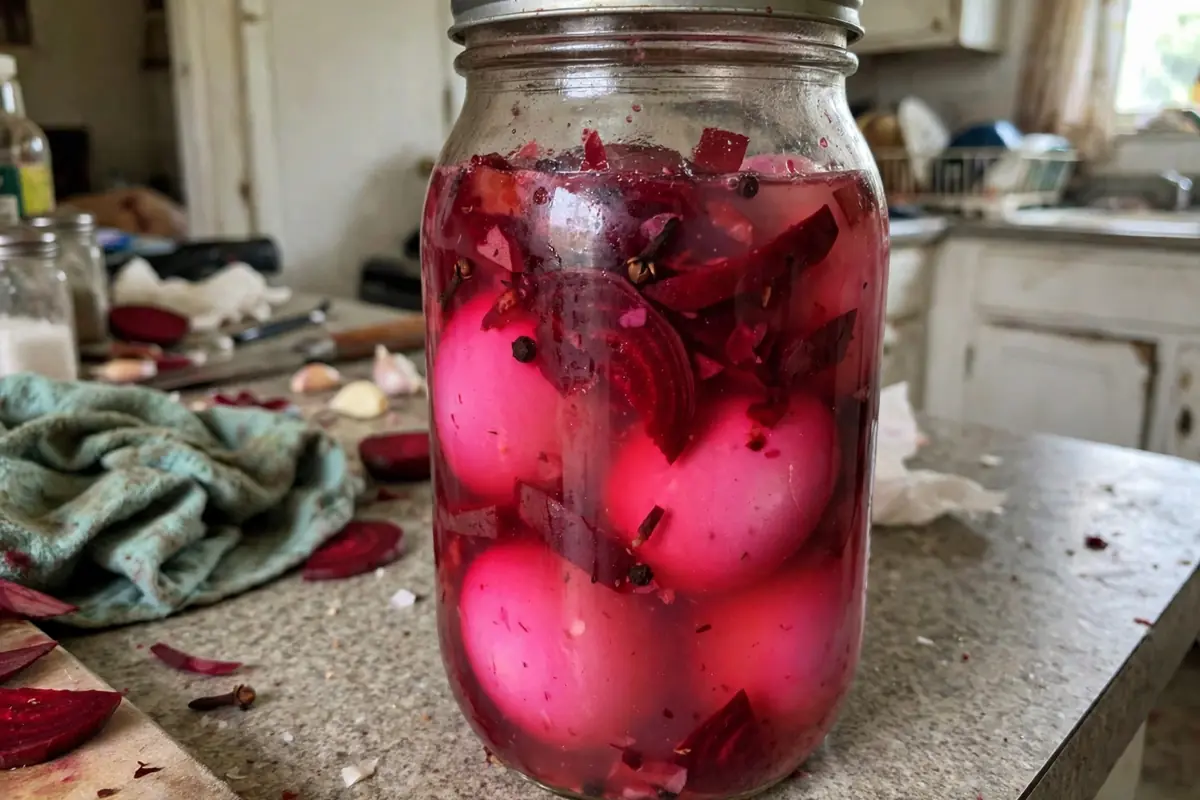
Hard-boiled eggs soaked in beet juice, vinegar and sugar turn bright pink. They appear on church lunch tables and picnic spreads, and children love cutting one open to see the color line.
Ingredients (makes 12)
- 12 hard-boiled eggs, peeled
- 2 cans (15 ounces each) sliced beets, with their liquid
- 1 cup cider vinegar
- ½ cup sugar
- 1 teaspoon salt
- 4 whole cloves (optional)
- 1 small onion, sliced (optional)
Method
- Drain the beet liquid into a saucepan. Add vinegar, sugar, salt and cloves and bring to a boil.
- Put the eggs, beets and onion in a large glass jar or bowl.
- Pour the hot liquid over them. Cool, cover and refrigerate.
- Wait at least 1 day for pink edges and 2 to 3 days for color most of the way through. Keep refrigerated and eat within a week.
6. Baked oatmeal
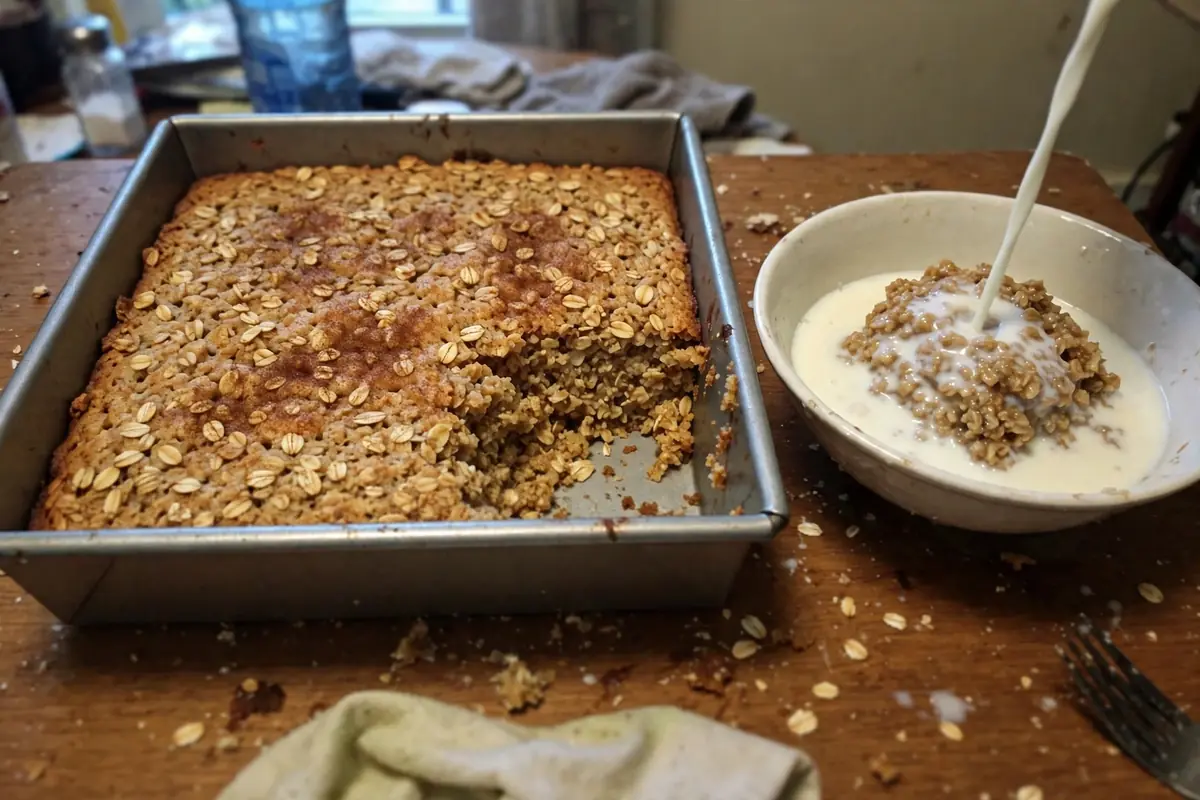
Oats, milk, eggs, brown sugar and cinnamon, stirred together and baked like a soft cake. It’s a breakfast that can be mixed the night before, which matters when morning chores come first.
Ingredients (serves 6)
- 3 cups old-fashioned rolled oats
- ½ cup brown sugar
- 2 teaspoons baking powder
- 1 teaspoon cinnamon
- ½ teaspoon salt
- 1¼ cups milk
- 2 large eggs
- ½ cup melted butter
- 1 teaspoon vanilla
- 1 cup blueberries, chopped apples or raisins (optional)
Method
- Heat the oven to 350°F and butter an 8- or 9-inch square pan.
- In one bowl, mix oats, brown sugar, baking powder, cinnamon and salt.
- In another, whisk milk, eggs, butter and vanilla. Stir into the oats. Fold in the fruit.
- Pour into the pan and bake 30 to 35 minutes, until set and golden at the edges.
- Serve warm in bowls with cold milk poured over.
Make ahead: Mix everything the night before, cover and refrigerate. Add 5 minutes to the baking time in the morning.
7. Whoopie pies

Two soft chocolate cakes with a fluffy white filling between them. Whoopie pies are sold at nearly every Amish bake stand, and families argue happily over the best filling. Both Pennsylvania and Maine claim to have invented them.
Ingredients (makes about 15)
For the cakes:
- ½ cup butter, softened
- 1 cup sugar
- 1 large egg
- 1 teaspoon vanilla
- 2 cups all-purpose flour
- ½ cup cocoa powder
- 1 teaspoon baking soda
- ½ teaspoon salt
- 1 cup buttermilk
For the filling:
- ½ cup butter, softened
- 1½ cups powdered sugar
- 1 jar (7 ounces) marshmallow creme
- 1 teaspoon vanilla
Method
- Heat the oven to 375°F and line baking sheets with parchment.
- Cream the butter and sugar. Beat in the egg and vanilla.
- Whisk flour, cocoa, baking soda and salt. Add to the butter mixture alternately with the buttermilk.
- Drop 2-tablespoon mounds about 3 inches apart. Bake 8 to 10 minutes, until the tops spring back. Cool completely.
- For the filling, beat the butter and powdered sugar, then beat in the marshmallow creme and vanilla until fluffy.
- Spread filling on the flat side of half the cakes and top with the rest. Wrap each one in plastic wrap the way bake stands do; they stay soft for days.
Saul’s monthly letter
Enjoying this? There’s more in the letter.
Once a month, Saul sends a short letter with new guides from the blog, a seasonal recipe and answers to the questions readers send him. It’s free, there’s no spam, and you can leave any time.
8. Shoofly pie
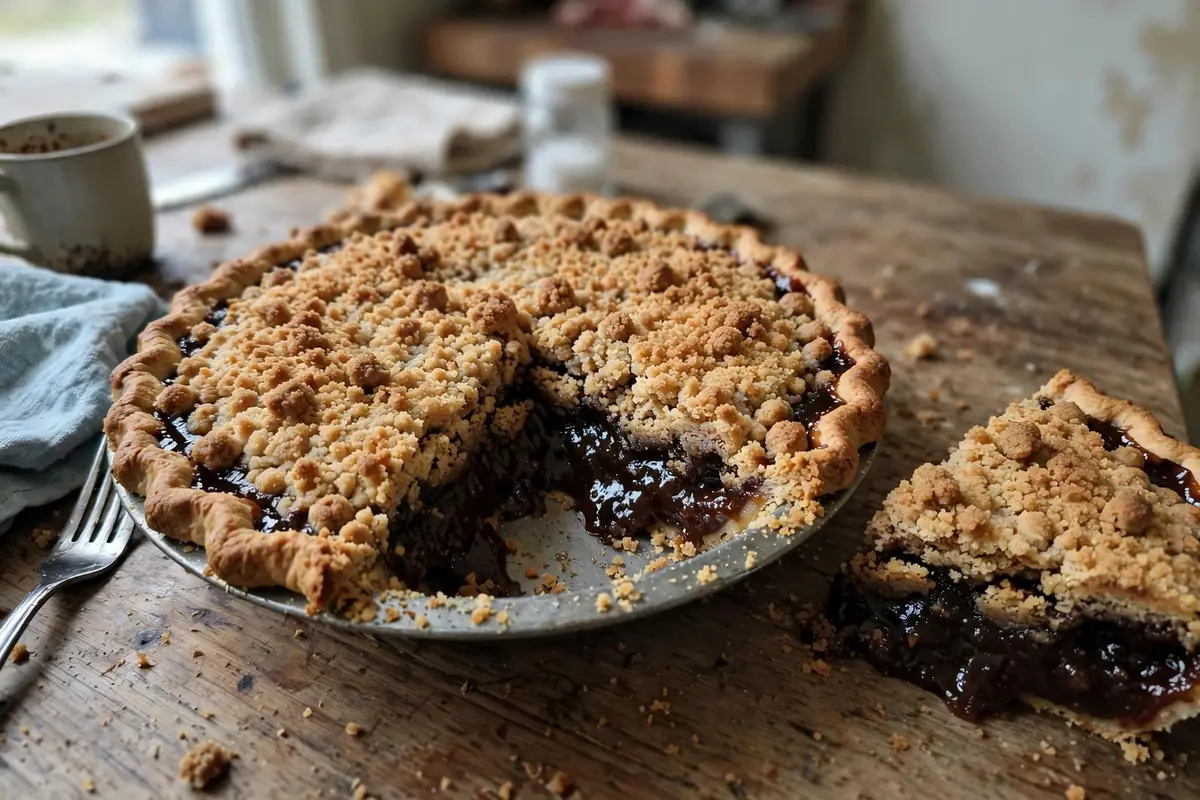
A molasses crumb pie. The “wet-bottom” kind has a gooey molasses layer under the crumbs; the “dry-bottom” kind is cake-like all the way through. In Pennsylvania, it’s often eaten at breakfast with coffee. The recipe below is wet-bottom, the kind most visitors fall for.
Ingredients (one 9-inch pie)
- 1 unbaked 9-inch pie crust
For the crumbs:
- 1 cup all-purpose flour
- ⅔ cup brown sugar
- ¼ cup cold butter
For the filling:
- 1 cup light or “baking” molasses (not blackstrap)
- ¾ cup boiling water
- 1 teaspoon baking soda
- 1 large egg, beaten
Method
- Heat the oven to 400°F.
- Rub the flour, brown sugar and butter together with your fingers until crumbly.
- Stir the baking soda into the boiling water. It will foam. Stir in the molasses, then the egg.
- Pour the liquid into the crust and scatter the crumbs evenly on top.
- Bake 10 minutes at 400°F, then lower to 350°F and bake 30 to 35 minutes more, until the edges are set and the center barely jiggles.
- Cool completely, at least 3 hours, before cutting. The wet bottom firms as it cools.
Why “shoofly”? Nobody knows for sure. The most common story is that the sweet molasses drew flies that had to be shooed away, but food historians treat that as a guess.
9. Apple butter
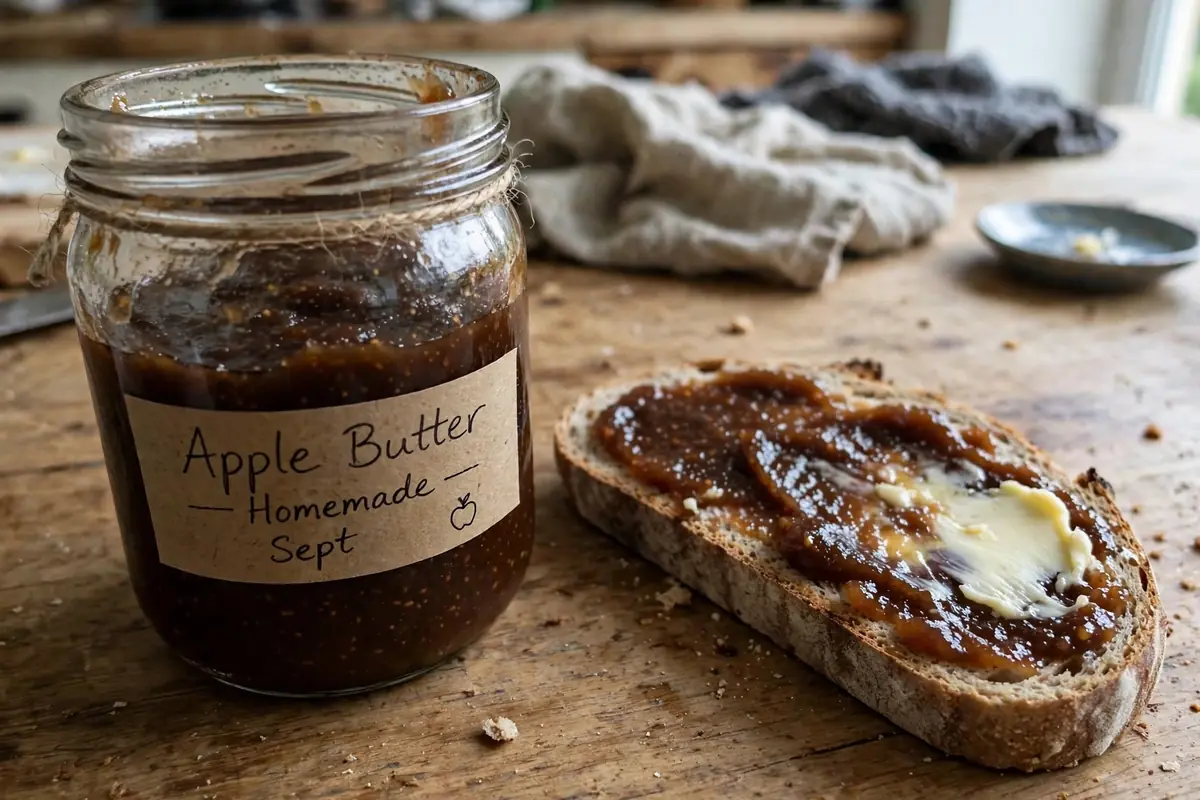
Apples cooked down for hours with cider and spices until dark and thick. Making apple butter in a big copper kettle over an outdoor fire used to be an all-day neighborhood event, with everyone taking turns stirring with a long wooden paddle so it wouldn’t scorch. You can make a small batch at home in a slow cooker.
Ingredients (makes about 4 pints)
- 5 pounds apples, a mix of sweet and tart, peeled, cored and sliced
- 1 cup apple cider
- 1 to 1½ cups sugar (brown or white), to taste
- 2 teaspoons cinnamon
- ¼ teaspoon ground cloves
- ¼ teaspoon ground allspice
- Pinch of salt
Method
- Put the apples and cider in a slow cooker. Cook on low for 8 hours, until very soft.
- Mash or blend smooth. Stir in the sugar, spices and salt.
- Cook uncovered on low for another 2 to 4 hours, stirring now and then, until dark brown and thick enough that a spoonful holds its shape on a plate.
- Cool and refrigerate for up to 3 weeks, or freeze. For shelf-stable jars, use a tested canning recipe.
How it’s eaten: On bread with butter, with cottage cheese, or beside pork. In Pennsylvania Dutch country, a slice of bread spread with apple butter and a little cottage cheese is an old favorite.
10. Homemade bread
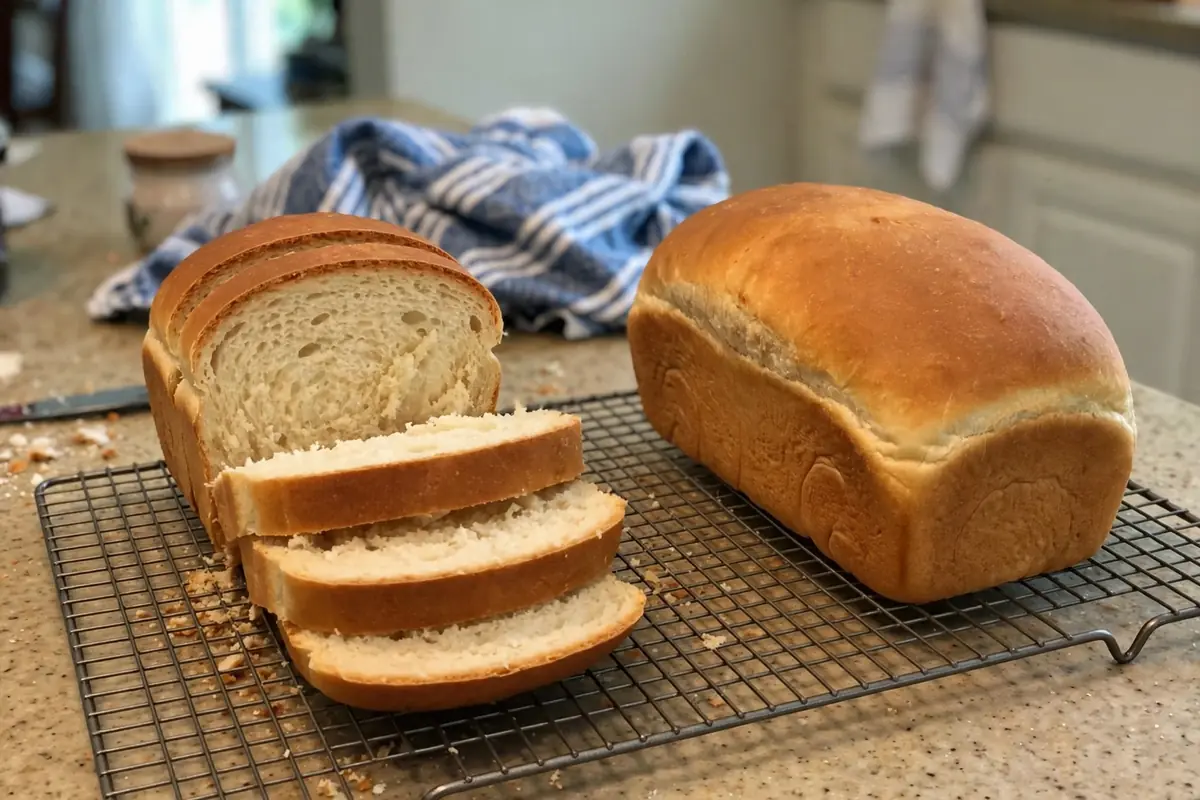
Most Amish kitchens bake bread at least once a week. Amish white bread is soft and slightly sweet, and the fresh heel spread with butter and apple butter is a treat children wait for.
Ingredients (two loaves)
- 2 cups warm water (about 110°F)
- ½ cup sugar
- 1 tablespoon active dry yeast
- ¼ cup vegetable oil or melted butter
- 1½ teaspoons salt
- 5½ to 6 cups bread flour or all-purpose flour
Method
- Stir the sugar into the warm water, sprinkle on the yeast and let it foam, about 10 minutes.
- Add the oil, salt and 4 cups of flour. Mix, then add flour gradually until the dough pulls away from the bowl.
- Knead 8 to 10 minutes until smooth and elastic.
- Put in an oiled bowl, cover and let rise until doubled, about 1 hour.
- Punch down, divide in half, shape into loaves and place in two greased 9×5-inch pans. Let rise until about an inch above the pans, 30 to 45 minutes.
- Bake at 350°F for 30 minutes, until golden and hollow-sounding when tapped. Brush the tops with butter and cool on a rack.
How the ten dishes fit into an Amish day
Amish families traditionally call the big noon meal “dinner” and the evening meal “supper.” Here’s how these dishes might appear across a day:
| Meal | What might be on the table |
|---|---|
| Breakfast | Baked oatmeal or eggs, fried potatoes, bread with apple butter, shoofly pie with coffee |
| Dinner (noon) | Chicken and noodles over brown butter mashed potatoes, chow-chow, red beet eggs, bread |
| Supper | Leftovers, soup, bread and butter, applesauce |
| Sunday or company | Bread filling, roast chicken, mashed potatoes, several relishes, pies and whoopie pies |
Make-ahead and storage guide
| Dish | Make ahead? | Keeps |
|---|---|---|
| Chicken and noodles | Broth 2 days ahead; dried noodles weeks ahead | 3 to 4 days refrigerated |
| Bread filling | Assemble the night before | 3 to 4 days refrigerated |
| Chow-chow (refrigerator) | Needs at least 1 day | Up to 2 weeks refrigerated |
| Red beet eggs | Needs 1 to 3 days | About 1 week refrigerated |
| Baked oatmeal | Mix the night before | 4 days refrigerated |
| Whoopie pies | 1 to 2 days ahead, wrapped | 3 days at room temperature, longer refrigerated |
| Shoofly pie | 1 day ahead | 2 to 3 days at room temperature |
| Apple butter | Days ahead | 3 weeks refrigerated, months frozen |
| White bread | Day of or day before | 3 days wrapped; freezes well |
What makes Amish cooking taste different?
It isn’t a secret ingredient. It’s a few habits:
- Real fats. Butter, lard and cream are used without apology.
- Garden and farm ingredients. Many families grow their own vegetables and raise their own chickens and eggs.
- Slow cooking. Broth simmers for hours. Apple butter cooks all day.
- Sweet and sour together. A sweet pickle or relish beside a rich, salty dish is classic Pennsylvania Dutch.
- Nothing wasted. Stale bread becomes filling; extra vegetables become relish.
You may hear that a proper Pennsylvania Dutch table has “seven sweets and seven sours.” Food historian William Woys Weaver traces that saying largely to tourist-era marketing rather than old farm custom. The love of sweet-and-sour relishes is real, though, and a table with chow-chow, pickled beets and apple butter shows it well.
Every community cooks a little differently. A Lancaster County kitchen and an Indiana kitchen may make the same dish in different ways, and both will tell you theirs is the right one.
Pantry basics for Amish-style cooking
If you want to cook this way often, keep these on hand:
- Flour, sugar, brown sugar and light molasses
- Rolled oats
- Butter (lots of it) and eggs
- Cider vinegar
- Cinnamon, mustard seed, celery seed and turmeric
- Potatoes, onions and celery
- Chicken broth, ideally homemade and frozen
- Day-old bread saved in a bag for filling
Common questions
What is the most famous Amish food?
Shoofly pie and whoopie pies are the best known outside Amish communities. Among Amish families themselves, chicken and noodles, bread filling and mashed potatoes are everyday favorites.
Is Amish food healthy?
It’s made from scratch with real ingredients, but it’s rich in butter, sugar and starch. It was built for people doing hard physical work. Most home cooks enjoy it as comfort food rather than everyday diet food.
Do Amish cooks use recipes?
Many cook from memory, but most kitchens also have handwritten recipe cards and community cookbooks, often put together by church or school groups to raise money.
Do the Amish use modern kitchen appliances?
Not ones powered from the public grid. Many cook on propane or wood stoves and use propane refrigerators. Some use battery or air-powered mixers, depending on the church district.
What is the difference between wet-bottom and dry-bottom shoofly pie?
Wet-bottom has a gooey molasses layer beneath a cake-like top. Dry-bottom is mixed more evenly and is firm and cake-like throughout, good for dunking in coffee.
Where can I taste real Amish cooking?
Bake stands, farmers markets, benefit auctions and family-style restaurants in Amish areas such as Lancaster County, Pennsylvania; Holmes County, Ohio; and Elkhart-LaGrange, Indiana.
Can I freeze these dishes?
Bread, whoopie pies, apple butter, cooked noodles and broth all freeze well. Pickled eggs and mashed potatoes don’t freeze as nicely.
Keep reading
- 10 Old-Fashioned Amish Cookie Recipes
- Funeral Pie: The Raisin Pie With a Solemn Name
- What’s Served at an Amish Wedding
- A Week of Amish Meals
Join the conversation
Which Amish dish would you like Saul to share a full recipe for next? Tell us in the comments.
Ask Saul a question · Get the monthly letter · Share your story
Sources
- Donald B. Kraybill, Karen M. Johnson-Weiner and Steven M. Nolt, The Amish (Johns Hopkins University Press, 2013).
- William Woys Weaver, As American as Shoofly Pie: The Foodlore and Fakelore of Pennsylvania Dutch Cuisine (University of Pennsylvania Press, 2013).
- National Center for Home Food Preservation, University of Georgia, guidance on pickling and canning.